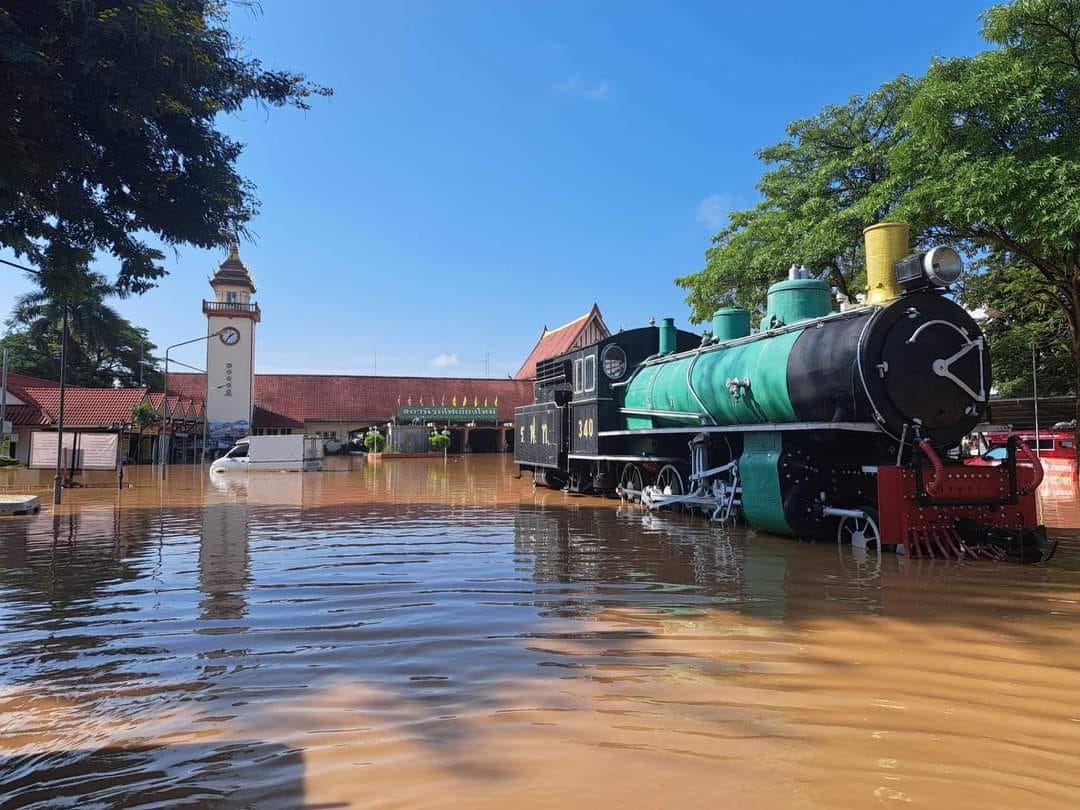
Chiang Mai, Thailand – The historic city of Chiang Mai is grappling with the devastating aftermath of unprecedented flooding that has pushed water levels to record highs, with the height of the Ping River surpassing 5 meters for the first time since records began.
This extreme weather event has had a profound impact on local communities and the tourism industry, raising serious concerns about the long-term consequences of climate change.
The floodwaters, which surged into the city’s low-lying areas, have inundated homes, businesses, and infrastructure. Countless residents have been displaced, forced to seek refuge in temporary shelters or with relatives. The economic toll of the disaster is immense, as businesses, particularly those reliant on tourism, have been forced to close due to the damage and disruption caused by the floods.
The impact on Chiang Mai’s tourism sector, a vital source of income for the city, has been particularly severe. The floodwaters have damaged many of the city’s iconic landmarks and popular tourist attractions, deterring visitors from traveling to the region. The closure of hotels, restaurants, and other tourist facilities has resulted in significant job losses and economic hardship for local communities.
The flooding in Chiang Mai is a stark reminder of the increasing frequency and intensity of extreme weather events worldwide. Scientists attribute this trend to climate change, which is caused by the accumulation of greenhouse gases in the atmosphere. Rising temperatures are leading to changes in precipitation patterns, melting glaciers, and rising sea levels, all of which can contribute to more frequent and severe flooding.
Experts warn that the flooding in Chiang Mai is likely to become a more regular occurrence in the future. As climate change continues to accelerate, the city can expect to experience more extreme weather events, including heavier rainfall, stronger storms, and higher water levels. To mitigate the impacts of these events, it is crucial to invest in flood prevention measures, such as improved drainage systems, early warning systems, and sustainable land use practices.
The flooding in Chiang Mai serves as a wake-up call for the world. It is a clear indication of the devastating consequences of climate change and the urgent need for global action to address this crisis. By reducing greenhouse gas emissions and investing in sustainable development, we can help to protect our planet and the communities that call it home.

 Notes Asia